Licensed Extermination Experts in Upper Manhattan
Protect Your Home: Proven Pest Control Strategies for Homeowners
Reliable pest control is vital for homeowners who want to sustain a clean and healthy living space. Infestations can result in notable health risks and substantial harm to your home. Understanding the importance of proactive strategies is imperative. This involves identifying frequently encountered pests and the dangers they present. However, many homeowners remain unsure of where to start. The content ahead will cover critical measures to guard against these nuisances and highlight effective approaches for sustained, long-term results.
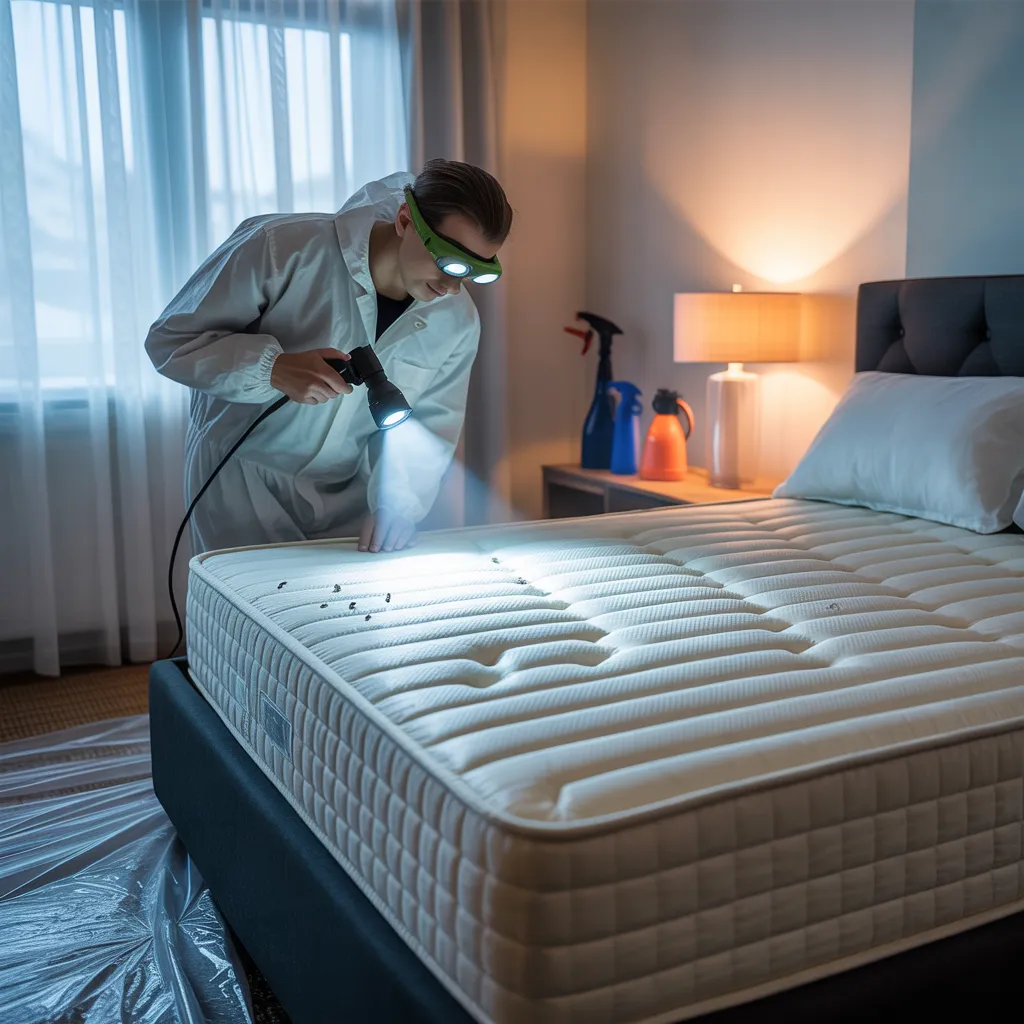
The Importance of Pest Control in Your Home
Effective pest control is vital for keeping a safe and healthy living space. Pests such as rodents, insects, and termites can present serious risks not only to physical structures but also to the well-being of residents. These unwanted visitors can pollute food stores, carry harmful diseases, and provoke allergic responses. Furthermore, the harm to building structures inflicted by pests, especially termites can result in expensive renovations and a reduction in property worth.
Homeowners frequently underestimate the value of regular pest management, assuming that infrequent encounters are not a concern. That said, early detection and consistent prevention measures can reduce the risk of serious infestations. Taking a preventive stance on pest management ensures a healthier home environment and supports general well-being.
Additionally, pest management provides a sense of security, enabling households to concentrate on daily activities without concern about potential pest issues. At the end of the day, dedicating resources to pest control is crucial for preserving a peaceful and stable home setting.
Key Steps to Prevent Pest Infestations
While pests can invade any home, adopting important preventative steps greatly reduces the likelihood of infestations. Homeowners should start by closing gaps and openings in walls, windows, and doors, which act as access points for uninvited pests. Regularly inspecting and repairing screens can additionally discourage pests from coming inside.
Preserving a clean environment is critical; food should be stored in airtight containers and spills promptly cleaned. In addition, homeowners ought to tend to their outdoor areas by cutting back vegetation and maintaining clear gutters to remove possible nesting locations.
Appropriate waste management, employing snug-fitting covers on waste containers, additionally reduces attractants. It is similarly wise to keep firewood far from the property, as it has the potential to provide refuge for pests. Lastly, routine evaluations by pest management experts can identify vulnerabilities and provide tailored solutions, establishing a forward-thinking method for keeping pests at bay.
Common Household Pests and Their Risks
Common household pests, like rodents, termites, and cockroaches, pose significant health risks and can lead to significant property damage. Such pests not only transmit illnesses but also compromise the structural integrity of homes. Homeowners need to recognize the serious risks associated with these unwanted pests to effectively manage their presence.
Types Of Common Pests
Recognizing the various kinds of prevalent pests is essential for homeowners looking to sustain a healthy and secure living environment. Among the most prevalent pests are ants, which can infiltrate kitchens in pursuit of food, and cockroaches, recognized for their resilience and rapid reproduction. Termites pose a significant threat to wooden structures, commonly escaping detection until considerable damage takes place. Rodents, such as mice and rats, not only contaminate food but can also chew through wiring, leading to dangerous fire risks. Moreover, spiders, while often harmless, can be alarming and some species carry venom. Lastly, bed bugs have gained notoriety for overtaking resting areas, causing discomfort and anxiety. Identifying these pests is the primary action in effective pest management.
Health Dangers Identified
Household pests pose significant health risks, frequently causing numerous illnesses and allergic reactions. Rodents, as a prime example, may carry and transmit hantavirus and leptospirosis through their waste and urine, posing serious threats, especially to children and the elderly. Cockroaches have a reputation for provoking asthma and allergic reactions as a result of their droppings and body fragments. Moreover, mosquitoes are carriers of diseases like West Nile virus and Zika, making their presence a public health concern. Ants may also cause issues, since particular species are capable of contaminating food supplies and introducing harmful bacteria. Although termites are mainly recognized for causing structural damage, their droppings can worsen respiratory conditions when inhaled. Being aware of these health dangers is crucial for homeowners striving to sustain a secure and healthy living space.
Property Damage Concerns
Pests present not only serious health hazards but also endanger the structural soundness of residential properties. Frequently encountered household pests, including termites, rodents, and carpenter ants, are capable of inflicting widespread damage when left unaddressed. For instance, termites feed on wood and can weaken additional article load-bearing beams, resulting in expensive repair work. Rodents frequently chew on electrical cables, generating dangerous fire hazards and causing additional harm to walls and insulation. Carpenter ants excavate wood for nesting, which can weaken structures over time. Moreover, moisture-dependent pests including cockroaches can accelerate mold proliferation, compounding structural deterioration. Homeowners must recognize the risks associated with these pests and implement effective control strategies to safeguard their properties from potential damage, ensuring a safe and secure living environment.
Effective DIY Techniques and When to Seek Help?
Homeowners can manage many pest issues with effective DIY techniques that rely on easily obtainable supplies and techniques. Simple solutions such as sealing cracks, using essential oils, or employing traps can greatly reduce pest populations. As an example, a mixture of vinegar and water can repel ants, while diatomaceous earth can be sprinkled in spots where insects are commonly found.
That said, there are instances when DIY techniques may prove insufficient. If infestations escalate or if pests such as rodents or termites endanger the structural soundness of your property, consulting a professional becomes essential. In addition, some pests may demand targeted treatments that are not suitable for the average household to deal with independently. Recognizing the limits of DIY techniques is essential; acting proactively can preserve valuable time and money. At the end of the day, a well-rounded strategy, merging practical DIY methods with expert help when needed, will deliver a truly pest-free living environment.
Green Pest Control Approaches
For homeowners interested in green alternatives, environmentally conscious pest management methods offer effective alternatives to traditional methods. Residents may make use of organic deterrents like plant-based essential oils, vinegar, and diatomaceous earth to repel pests while avoiding toxic substances. Such natural solutions can interfere with pest behavior and create environments unfavorable for infestation.
Furthermore, introducing helpful bugs, including ladybugs and green lacewings, can assist in controlling harmful pest populations organically. Adding pest-resistant plants, for instance marigolds or lavender, additionally strengthens the garden's natural protection and simultaneously fostering natural diversity.
Regular maintenance practices, encompassing blocking potential entry spots and keeping living spaces clean, can significantly minimize the appeal of your home to pests. By adopting these eco-friendly strategies, residents can safeguard their properties while also supporting a cleaner ecosystem. This approach fosters a balanced ecosystem, ensuring that pest management does not come at the expense of the planet.
How to Maintain a Pest-Free Home Throughout the Year
To keep a home free of pests all year long, homeowners should implement seasonal prevention strategies tailored to specific pests. Consistent upkeep routines, like blocking potential entryways and ensuring interior spaces remain clean, are vital in discouraging unwanted pest activity. When these strategies are used together, homeowners can establish a reliable defense against intrusive pests.
Seasonal Pest Prevention Tips
Even though pests may infiltrate homes at various times, shifts in seasons frequently stimulate their behavior, which makes it crucial for residents to apply consistent pest control strategies across all seasons. In spring, homeowners should focus on sealing cracks and crevices, since insects begin to awaken from their dormant state. Summer brings an increase in ants and mosquitoes; thus, routine yard care, including pruning greenery, becomes essential. As autumn sets in, mice and rats look for protected spaces, so it's important to check for gaps around doors and windows. The winter months demand careful attention to warmth-seeking pests; sealing pipes and storing firewood at a distance from the house can help prevent pest problems. By tailoring prevention approaches to match each season, homeowners can greatly reduce the likelihood of pest problems throughout the year.
Regular Maintenance Practices
Consistent maintenance practices are essential for homeowners aiming to keep their living spaces pest-free throughout the year. Periodic checks of the home's exterior help uncover potential access points, like cracks or openings near doors and windows. Sealing these openings reduces the likelihood of pests infiltrating the home. Additionally, homeowners should maintain cleanliness by promptly addressing spills and storing food in airtight containers. Routine yard maintenance, including trimming shrubs and removing debris, also minimizes pest habitats. Periodically examining and maintaining gutters helps avoid water buildup that tends to attract nuisance insects. Lastly, arranging professional pest control evaluations allows for the early identification of problems, supporting a proactive stance on pest management. Together, these methods help create a more secure and pest-resistant living space.
Commonly Asked Questions
How Do I Recognize a Pest Infestation in My House?
To spot a pest infestation, individuals should look for signs including gnaw marks, droppings, nests, or visible insects. Unexplained damage or unusual noises may also indicate the presence of pests in the home.
Are Some Pests More Common During Certain Seasons?
Indeed, particular pests are season-dependent. For example, ants along with termites frequently surface in spring, while rodent populations often look for refuge in fall. Awareness of these patterns assists homeowners in being able to prepare and implement efficient pest management strategies throughout the year.
What Are the Warning Signs of a Termite Issue?
Signs of a termite infestation include mud-like tubes on surfaces, hollow-sounding wood, shed wings, and frass resembling sawdust. Home occupants should assess these symptoms promptly to avoid severe damage to their home.
How Frequently Should I Check My Home for Pests?
Residents should inspect their properties for pests at least every three months. Regular inspections make it possible to spot potential infestations early, enabling swift treatment. Shifts in seasons may also affect pest activity, calling for greater attention during the warmer season.
Can Pets Invite Unwanted Pests Into Your Home?
Pets are known to attract pests into a household. Their hair, droppings, and leftover food create perfect environments for insects and rodents, making regular grooming and cleaning essential to minimize pest-related issues associated with pet ownership.